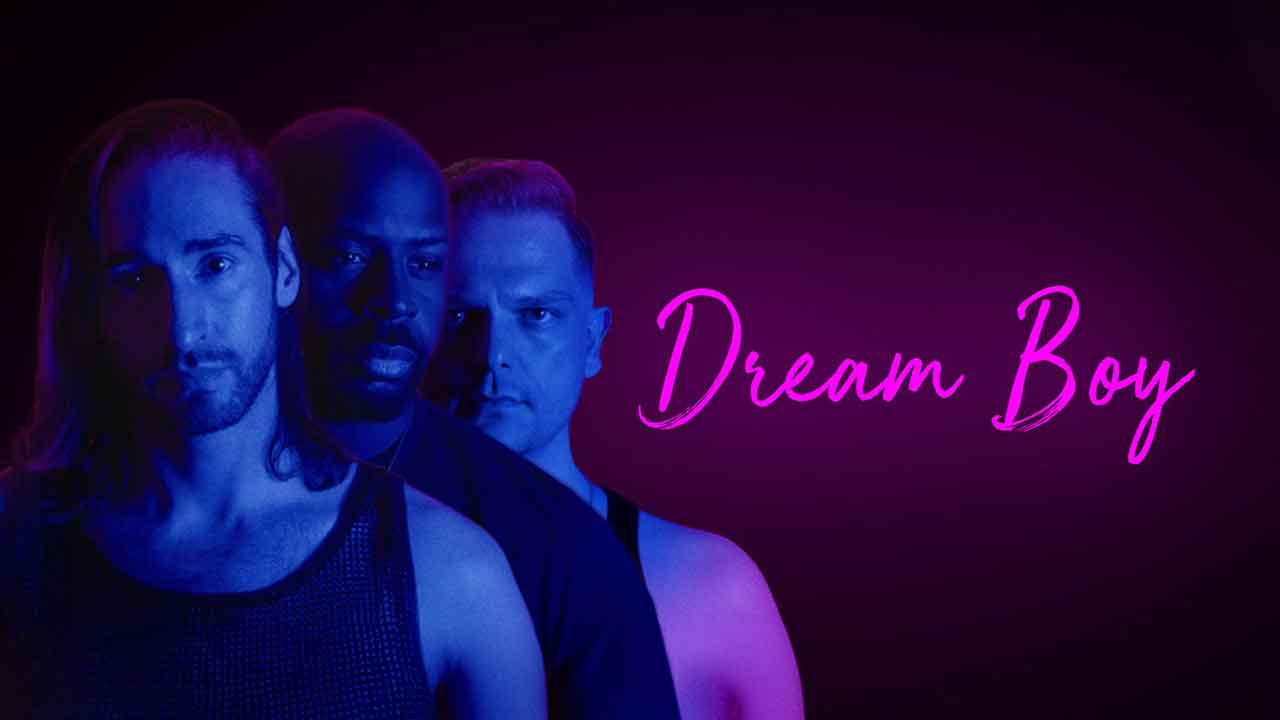




Dream Boy is one of those films that doesn’t rush you. It sits you down, pours a drink you didn’t ask for, and starts talking about grief like it’s an old roommate that never really moved out.
The story centers on Logan Hill, a novelist who had his big breakthrough and then… stopped. Not because of writer’s block in the romantic sense, but because his boyfriend Ian died of a drug overdose right in their apartment. That kind of loss doesn’t politely fade into the background – it sticks around, talks back, and shows up in dreams when you least want it to.
Logan is bitter, defensive, and emotionally exhausted. He lives in his robe, snaps at journalists, and hides behind the label “voice of a generation” like it’s armor. Enter Parker Moore, a sharp, ambitious reporter who basically blackmails Logan into letting him read the unfinished manuscript of his second novel. Their first meeting is awkward, hostile, and low-key hilarious, two men circling each other with words like weapons.
But what starts as professional tension slowly turns into something else. Parker sees through Logan’s bullshit faster than anyone else does, including Logan himself. He calls out the bad ending of the novel, not because he wants to be cruel, but because he senses that Logan is lying on the page and in real life. According to Parker, the problem isn’t the writing. It’s the fear behind it.
At the same time, Ian never really leaves the film. He appears in dreams, memories, and conversations that feel painfully real. These aren’t cheap ghost scenes, they’re the kind of moments anyone who has lost someone will recognize. Ian isn’t there to scare Logan. He’s there because Logan isn’t ready to let go.
The film also pulls no punches about addiction. Ian’s dealer isn’t some cartoon villain – he’s human, flawed, and oddly self-aware. When Ian overdoses, the scene is raw and ugly in the most honest way possible. No music cues telling you how to feel. Just panic, helplessness, and the brutal finality of it all.
What Dream Boy really becomes is a story about choice. About whether you stay loyal to grief because it feels safer, or whether you risk moving forward knowing you might get hurt again. Logan’s struggle with rewriting the ending of his novel mirrors his emotional arc perfectly – he has to decide if hope is worth the risk.
Is the film perfect? No. It’s talky, very indie, and clearly working within a tight budget. Some scenes linger longer than necessary, and not everyone will have patience for its rhythm. But emotionally, it lands more often than not.
This isn’t a flashy LGBTQ film chasing trends. It’s quiet, messy, sometimes uncomfortable and that’s exactly why it works. If you’ve ever loved someone who didn’t survive themselves, Dream Boy will probably hit closer to home than you expect.