


It is hard to believe this was the very first gay film to come out of Mainland China, especially considering it had to be smuggled out of the country just to be finished.


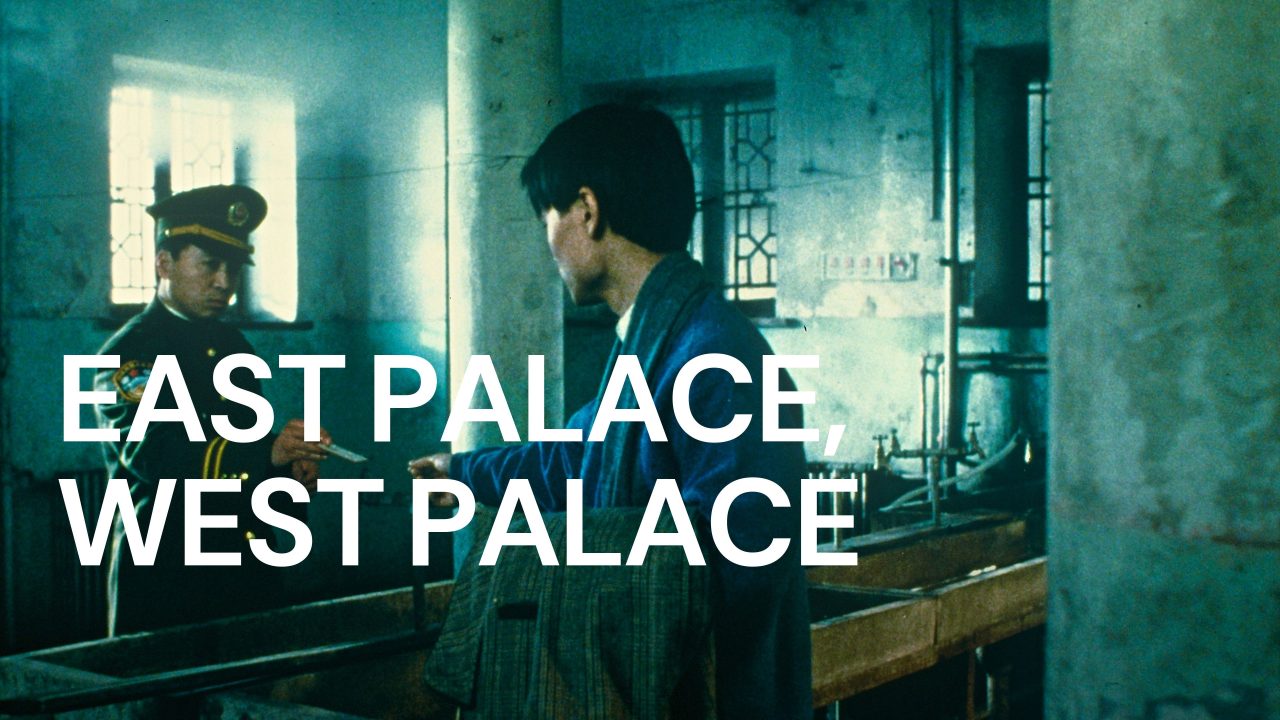
This movie is a real hidden gem from the mid-nineties. It was filmed in secret in Beijing, and you can really feel that underground, risky energy in every scene. Most of the story happens during one long night in a small police station, which makes everything feel very personal and intense, like we are eavesdropping on a conversation we should not be hearing.
The Chemistry of the Lead Actors
The whole thing rests on the shoulders of the two main guys, and they are fantastic. Si Han, who plays the writer A-Lan, has this calm but stubborn vibe that is hard to look away from. He is not playing a victim; he is someone who has found a way to be free even while he is being questioned. Hu Jun is equally good as the young cop. You can see his face change from pure annoyance to a kind of confused fascination as the night goes on. The way they play off each other makes the simple setting feel huge.
Atmosphere and Style
The director, Zhang Yuan, did a great job with the lighting. The park scenes are dark and moody, while the station feels cramped and cold. It is not a fast movie, but it never gets boring because the dialogue is so sharp. It is less about the plot and more about how these two men from totally different worlds start to understand each other. The actors are really natural, and even though the cop is supposed to be the one in charge, you can tell he is the one who is actually rattled by the end of the night.
Why This Film is a Big Deal
You cannot talk about this movie without mentioning that it was the very first feature film from Mainland China to focus on a gay story. Back in 1996, things were very different there. Being gay was often targeted under "hooliganism" laws, so making a movie like this was a massive risk. The director actually had his passport taken away and was put under house arrest because of it. The film had to be smuggled to France just so it could be edited and shown at the Cannes Film Festival.
For the gay community in China, this was a huge moment of finally being seen. It captures a specific time when guys had to meet in shadows and parks because they had nowhere else to go. It is not just a drama; it is a brave bit of history that shows how someone can keep their dignity even when the system is trying to break them. If you want to understand where Chinese queer cinema started, you have to start here.
From Forbidden Cinema to Mainstream Star
It is actually pretty funny how things turned out for the lead actors. You would think that starring in a movie that got the director in so much trouble would ruin a career, but Hu Jun (who plays the cop) actually became a massive A-list celebrity in China. He is now famous for playing tough, alpha-male heroes and military leaders. It is a bit ironic that the guy who started out playing a confused policeman in an underground gay film is now seen as the ultimate symbol of traditional masculinity over there.
A few years later, he even went back to his roots and starred in another legendary gay movie called Lan Yu (2001). That one is a total tear-jerker and shows that he was never afraid to take on roles that challenged the system. Even though he is a mainstream star now, you can still see that same intensity in his eyes that he had back in the park near the Forbidden City. He is a great example of an actor who just cares about the story, no matter how much the censors might hate it.
If you enjoy Hu Jun's performance in this one, you really should check out his other major gay role in the movie Lan Yu (2001). While East Palace, West Palace is more of a tense, psychological standoff, Lan Yu is a sweeping romantic tragedy that really shows his range as an actor. It is fascinating to see him play a confused, aggressive cop here and then a wealthy, complex businessman in the other film. You can find our review of that movie right here on Orvel.