More Than Just a Biopic
This isn't your usual boring history lesson. Instead of just telling us when Allen Ginsberg was born and when he died, the movie plays out like a visual collage. We get three different worlds layered on top of each other: a black-and-white recreation of that first legendary reading at the Six Gallery, the stuffy 1957 courtroom where lawyers argue if the poem is actually "filthy," and these trippy animated sequences that try to show what's happening inside the words. It’s got a very cool, jazzy energy that makes you feel like you’re right there in a basement in San Francisco with a bunch of rebels.
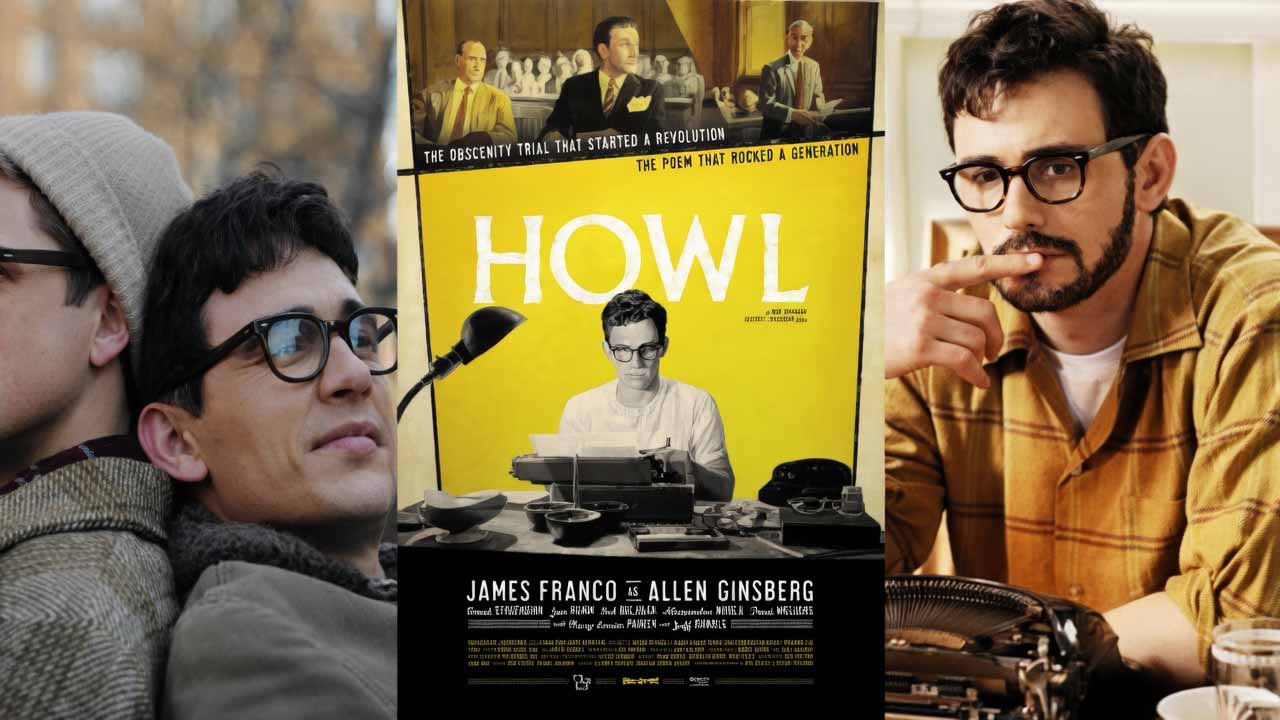
James Franco is actually surprisingly good here. He really gets that soft but intense vibe Ginsberg had. He looks totally at home in those thick glasses, talking to an invisible interviewer about his life and his heartbreaks. The best parts are when he’s being honest about his obsession with Neal Cassady, played by Jon Prescott. You can really feel that longing and the way it fueled his writing. It’s nice to see a film that doesn't shy away from the gay themes – it puts them right at the center because that’s exactly where they belong in Ginsberg's story.
The Trial and the Vibe
The courtroom scenes are where things get really interesting, mostly because of the great cast. Jon Hamm shows up as the defense lawyer and he’s basically a more progressive version of Don Draper. Watching these 1950s academics try to define what "art" is while they’re visibly uncomfortable with words like "cocks" and "interracial sex" is pretty entertaining. It shows just how much things have changed, but also how much those guys had to fight just to say what they felt.
The actors are all very likable and they bring a lot of warmth to what could have been a very cold, intellectual movie. Even the animation, which is based on the work of Ginsberg’s friend Eric Drooker, adds a nice touch of surrealism. It’s a great pick if you want something that feels like a conversation with a smart friend about art, sex, and why being yourself is the most radical thing you can do. It’s smoky, intimate, and definitely worth a watch if you're into queer history or just want to see Franco actually put in some effort.