




Lluís Miñarro’s Debut Masterpiece Explores Beauty, Power, and Crisis in Spain
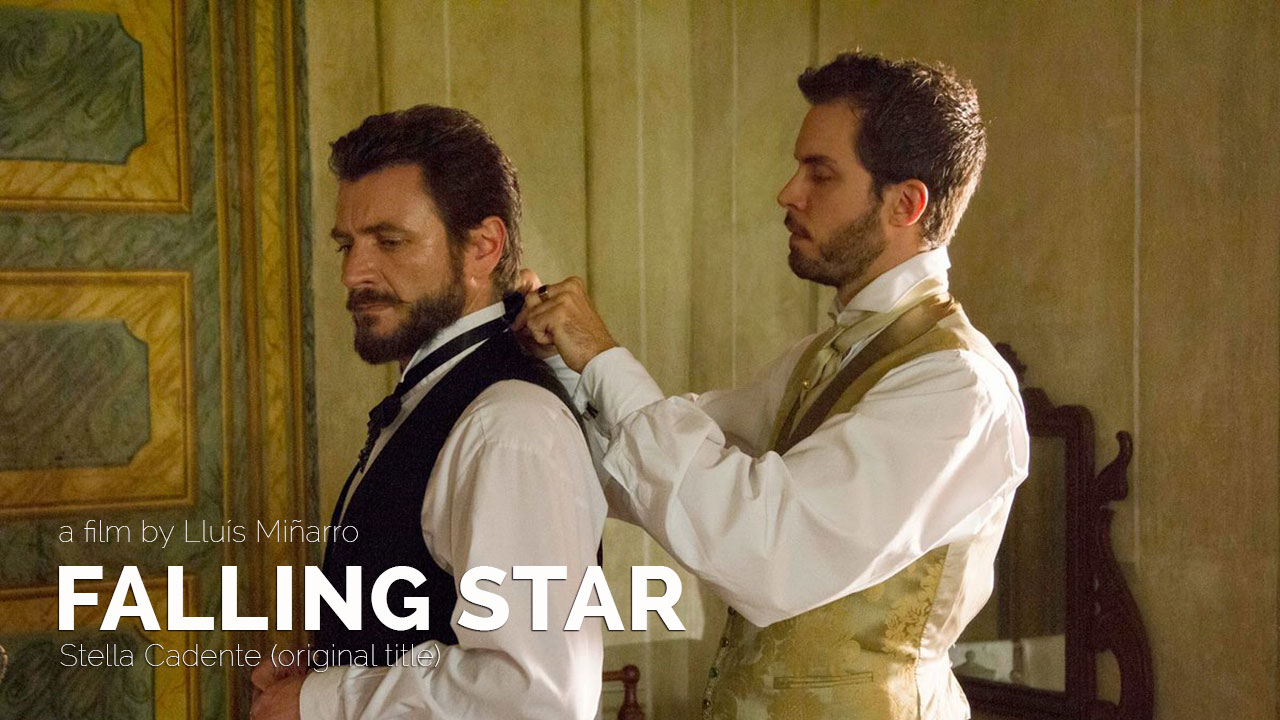
Lluís Miñarro, known for his significant contributions as a producer in the realm of auteur cinema in Spain, takes a bold leap into fiction with his feature debut, “Falling Star.” This film, in competition for the Tiger Award at the Rotterdam International Film Festival, immerses viewers in the fleeting reign of Amadeus of Savoy in Spain around 1870. This historic period is not merely a backdrop but serves as a fetishistic object, a singular starting point for reflection, bewilderment, and even entertainment.
Amadeus of Savoy, portrayed with intensity and elusiveness by Àlex Brendemühl, attempts to bring order to an ungovernable country and usher in modernization. The film cleverly draws parallels between the historical context and contemporary crises, echoing themes of institutional instability and the futility of a government detached from its people.
Miñarro’s narrative unfolds with deliberate destabilization, refusing to adhere to traditional historical storytelling. The murder of General Prim, Amadeus’s main supporter, before his installment adds complexity, showcasing the uselessness of a government corrupted and distant from its subjects. The film captures the spirit of 1871 Spain, plagued by administrative and financial crises, resonating remarkably with the challenges faced today.
The core of the film lies in its portrayal of Amadeus withdrawing into himself to escape loneliness and frustration. As street protests and revolts unfold outside the palace, Amadeus and his court indulge in playful, absurd, and dreamy adventures within. The film takes an unexpected turn by adopting the form of a musical, incorporating French chansons and dreamy homoerotic melodrama, creating a rich tapestry of genres.
The cinematography by Jimmy Gimferrer, known for his work with Albert Serra, contributes to the film’s visual brilliance. Miñarro crafts tableaux vivants, vividly painting life within the palace, where references to art and literature, from Caravaggio to Baudelaire, seamlessly coexist. The film embraces disparity, oscillating between drama, surrealism, comedy, and the musical, mirroring the multifaceted nature of the historical and contemporary themes it explores.
“Falling Star” maintains a delicate balance between the seriousness of Amadeus’s ideas and Miñarro’s characterization of the film as “divertimento.” This duality reflects the current Spanish crisis, exploring corrupt governance, disconnection with the people, and doubts about the notion of homeland. The Catalan conflict surfaces through Amadeus’s speech and language choices, adding another layer of complexity to the narrative.
In conclusion, “Falling Star” stands as a testament to Miñarro’s creative prowess. The film engages viewers in a mesmerizing journey through history, crisis, and imagination, challenging conventional storytelling and offering a thought-provoking and entertaining cinematic experience. Through its rich tapestry of genres, compelling characters, and visually stunning tableaux, “Falling Star” invites audiences to question, reflect, and, above all, enjoy the intricate dance between history and fiction.