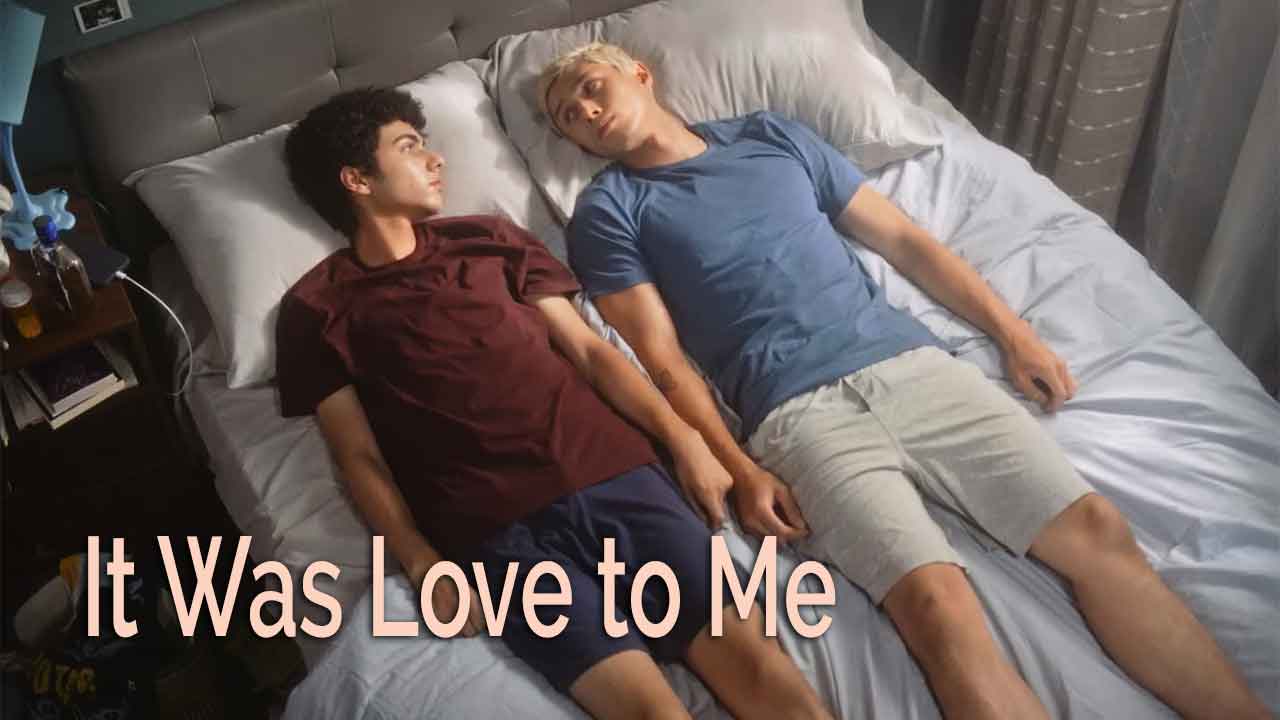





It Was Love to Me plays like a tennis rally where nobody’s keeping score, but everyone’s bleeding a little inside.
We meet Ali on the courts, in that sweaty, sunburned after-school world where coaches bark “go, go, go” and teenagers learn how to look confident even when they’re quietly falling apart. He’s young, talented, and already wearing that familiar mask: polite, focused, “fine.”
Then Neil shows up. Older. Sharper. The kind of guy who can flirt without technically flirting, because he frames everything as “advice.” A compliment about a serve. A question about school. A casual “I saw you watching me.” And just like that, Ali’s attention stops being a harmless teenage stare and becomes something charged.
The court is the safe place, until it isn’t
The film does something smart: it uses tennis as a social permission slip. Two guys spending time together can be explained away as training, coaching, improving your grip. Nobody has to say what it really is. Nobody has to admit anything. It’s just reps.
Neil literally teaches Ali a new grip. Interlock the fingers. “This feels unnatural.” Neil laughs it off. “So does a tennis grip.” That line lands harder than it looks. Because yeah, plenty of things feel unnatural at first when you’ve been trained to hide them.
And when Kimberly walks in, the vibe changes instantly. She’s not a villain. She’s the normal life Ali is supposed to want. She’s “Bye, babe” and cute banter and sugary soda jokes. She’s the relationship that looks correct from the outside.
Ali doesn’t even say he dislikes her. He says something more honest: it feels fake. Like a show.
Everyone is performing, some people just admit it
Neil isn’t selling Ali a fantasy. He’s selling him the truth, and that’s why it hits. They talk about money, homes, parents, and the quiet resentment of being a kid who’s supposed to “make it” while your mom is drowning in debt and tuition. Ali drops one of those teenage lines that’s half joke, half rage: “Only assholes need big houses anyways.”
Then Neil pushes the conversation into the territory Ali keeps locked up. Alcohol. First time. Girlfriend. “Obligates things.” And then the big one: What do you want?
Ali’s answer is painfully simple: to feel something real.
That’s the entire film in one sentence. Because what Ali wants is not just Neil. It’s relief. It’s permission. It’s a moment where he doesn’t have to play the part everyone expects. And Neil, in his own complicated way, offers exactly that:
“I can help you if you let me.”
That line can read tender, seductive, or dangerous depending on your life experience. The film keeps it intimate and fragile, like both of them know they’re walking toward a memory that will haunt someone later.
The ending hits like a missed shot you can’t rewind
And then, almost quietly, it falls apart. Kimberly comes looking for Neil. He’s gone. Flew out. Thanksgiving. Long distance. She’s doing that hopeful girlfriend thing where you try to convince yourself it’ll work, because the alternative is too embarrassing to say out loud.
Ali doesn’t explode. There’s no screaming confession, no big cinematic confrontation. Just a teenager standing in the emotional wreckage, trying to act normal.
He offers the saddest thing a lonely person can offer:
“Do you wanna hit some balls? I could use the company.”
That’s the heartbreak. Because when the person you want disappears, you don’t always get closure. Sometimes you just ask someone to stand near you so the silence doesn’t win.
It Was Love to Me….
It Was Love to Me is short, intimate, and painfully specific, the kind of film that doesn’t explain everything because real life didn’t explain it either. It captures that teenage space where desire and confusion live in the same body, and where “practice” becomes a cover story for the most important moment of your year.
It’s not trying to be a sweeping romance. It’s a snapshot. A bruise. A memory that took years to name.
And when the film ends, you understand the title completely. Whatever it was to anyone else, it was love to him.