




Darkness on the Edge of the Road
There are films that shout, and there are films that whisper—and Johnny whispers like someone telling you a secret they never thought they’d share.
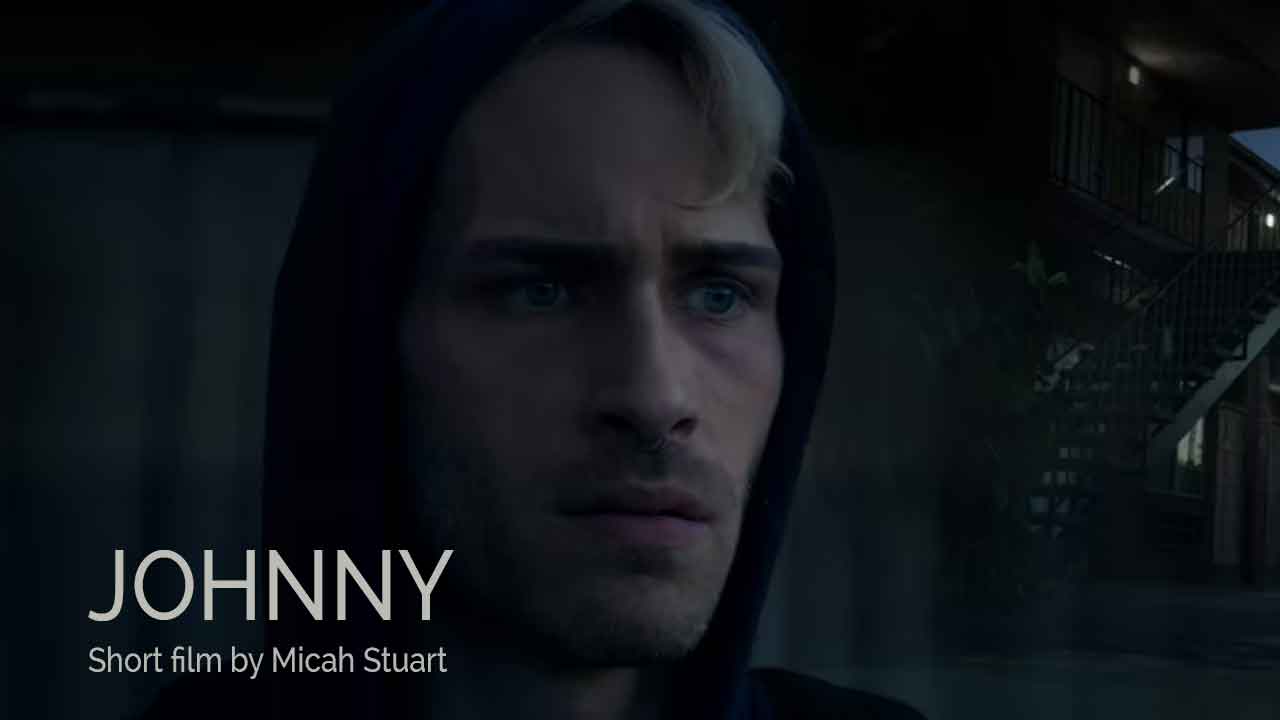
In just a few minutes, Micah Stuart’s 2016 short film takes us on a deeply personal, uncomfortable journey. The story centers on a chance encounter between a young man named Johnny and a stranger who offers him a ride. What begins as small talk quickly unravels into a confession, a childhood memory of violence that reveals the weight Johnny has carried most of his life.
A lonely and conflicted older man named Sam hires a young male sex worker named Johnny to spend the night with him in a motel room and be his first sexual experience with another man. Sam has spent his entire life trying to outrun his sexual attraction to other men. A devoted husband and father, Sam has carefully constructed a life he hoped would make him happy. But the harder Sam tries to force himself to be the man he believes he should be, the harder it is for him to resist becoming the man he’s secretly always been. As it turns out, Sam is not the only one with a secret, and the intimate night the two men share forces Johnny to come face-to-face with a haunting moment from his past that he thought he’d left behind. JOHNNY is a story about finding the strength and courage it takes to accept responsibility for the choices you have made and the person you have become. Written by Brandon Crowder, writer/producer of JOHNNY
The Weight of the Past
The dialogue is raw, almost painfully so. There’s no music, no fancy editing—just two people, talking. But in that simplicity lies the power of the film. The way Johnny recounts his fight with his childhood friend David, the way trauma unfolds without warning, the way he masks pain with sarcasm—all of it feels devastatingly real.
Moreover, the film captures a queer narrative without ever naming it directly. It’s there in the undercurrent—the isolation, the fear, the shame, the tenderness buried under anger. As a result, the story becomes universal for anyone who’s ever felt broken and invisible.
Minimalism with Maximum Impact
Visually, Johnny is understated, which serves the story perfectly. The focus remains on the characters and their emotional landscape. Nothing distracts from the heaviness of the words, the pauses, the things left unsaid.
The performance of the lead actor is gripping. He moves fluidly between guarded sarcasm and emotional vulnerability, creating a character that feels like someone you’ve met—and maybe lost.
Final Thoughts
Johnny is not an easy film. It’s not designed to comfort, but rather to confront. It gives voice to the voiceless, especially queer youth who have experienced abandonment, abuse, or simply the brutal indifference of the world.
Ultimately, it’s a haunting piece that sticks with you. Because some stories don’t end in healing. Some just need to be told.