
The Falls (2012): A Quiet Queer Romance Inside the Mormon Church

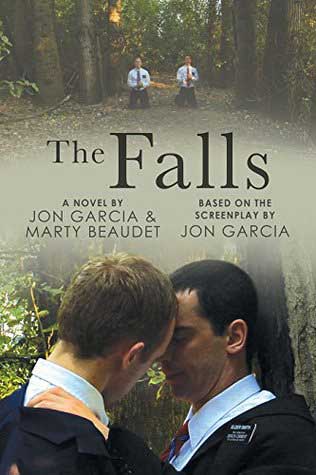
The Falls (2012) is a film that doesn’t rush, doesn’t decorate, and doesn’t pretend. It simply sits with two young men who are trying to understand why their hearts insist on something their religion tells them to fear. And honestly – that quiet honesty is what makes it hit so deeply. This is not a film about rebellion; it’s a film about truth finally refusing to stay quiet.
Zach and Chris – partners by assignment, lovers by accident
Zach and Chris meet as Mormon missionaries on a joint mission, assigned to live, work, travel, and practically breathe in the same rhythm for months. At the start, they’re exactly what you expect: polite, dedicated, respectful, focused on “the work”. But the film knows that proximity can be a strange and dangerous alchemy. The more time they spend together, the more the walls start to crack – first through small jokes, then confessions, then moments where their eyes linger just a bit too long.
What begins as companionship slowly becomes intimacy. Not the dramatic, cinematic kind – but the kind built on late-night conversations, gentle touches, shared loneliness, and the overwhelming comfort of finally being seen. When their relationship crosses the line into physical desire, it isn’t shot as something forbidden or scandalous. It’s shot as something beautiful and inevitable. Which, in a way, makes the tragedy sharper.
The weight of God, family, and expectation
The beauty of The Falls is that it takes religion seriously. It doesn’t mock Mormon doctrine, nor does it paint Zach and Chris as rebels looking for trouble. They are believers. They are dutiful. They genuinely want to honor their commitments. And that internal conflict – loving each other vs. loving God as they’ve been taught – tears them apart in ways neither expected.
The film asks a difficult but necessary question: what happens when the church you love tells you that the person you love is a sin? That tension carries the entire story. Zach worries about disappointing his family. Chris fears losing his spiritual identity. Both fear becoming a “problem” to their community. Watching them navigate this emotional minefield is heartbreaking, because every decision feels like a betrayal of someone – either each other, or themselves.
Shame, silence, and the quiet violence of community pressure
What hurts most in The Falls isn’t the forbidden romance – it’s the aftermath. The forced separation. The counseling. The expectation that they “repent.” The way both young men are pushed toward silence, toward apology, toward pretending that what happened was simply a mistake of youth instead of the most authentic thing they’ve ever felt.
The film doesn’t sensationalize this. It doesn’t turn religious pressure into a cartoon villain. Instead, it shows how harmful it is when an entire system teaches young people that love is shameful. One of the most powerful moments is how their families respond – some with confusion, some with fear, some with that overly polite denial that feels like emotional suffocation.
A story that refuses to end where you expect
A lesser film would end with punishment or tragedy. The Falls does something more interesting – it allows both characters to evolve, to question, to grow. It shows that identity can’t be undone once acknowledged. Something changes in Zach. Something changes in Chris. And even when they try to fit back into the structure of their old lives, they aren’t the same anymore. They can’t unknow themselves.
By the time the film reaches its emotional closing moments, it’s clear that this is just the beginning of their story – a prelude to everything they will have to confront in the sequels. The final scenes carry quiet heartbreak but also hope: the hope that honesty, once awakened, doesn’t easily die.
Why the film matters
The Falls remains one of the most intimate and respectful portrayals of queer love within a religious framework. It doesn’t exploit pain; it simply reveals it. It shows how young men raised in strict faith communities can find themselves torn between doctrine and authenticity. And it offers a tender reminder that love, in its purest form, is not a mistake – even when the world around you insists it is.
It’s a gentle, emotional film that stays with you long after the credits roll, precisely because it refuses to scream. Instead, it whispers the truth: sometimes the most sacred thing you can do is stop lying to yourself.