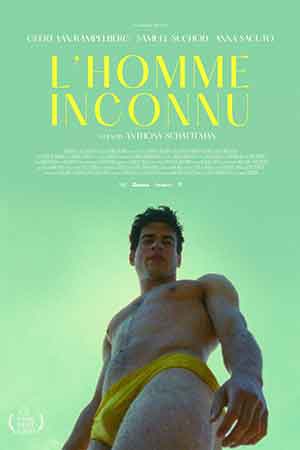


End of summer. One last beach day. And a confession that keeps getting stuck in James’s throat, because some truths are easier to film than to say.


Some short films feel like a postcard. Adolescence feels like the one day you keep in a shoebox because you still don’t have the language for it.
It’s the end of summer. James is leaving tomorrow. The gang does what teenagers always do when something important is happening: they pretend it’s just another beach day. There are jokes, half-fights, dips in the water, and that specific kind of sunshine that makes everything look harmless. But under the surface, the real story is simple and brutal: James is in love with his best friend Simon, and time is running out.
A beach day that isn’t really a beach day
On paper, nothing “big” happens. A few friends hang around, the girls show up, Franky talks too loud, someone comments on the “macho” energy like they’re already 40 and tired of it. But that’s exactly the point. Adolescence lives in glances, pauses, and the tiny adjustments people make when they’re trying to hide something that’s obvious to everyone except the person they want to confess it to.
James doesn’t have the confidence (or safety) to be direct. So he does what a lot of sensitive teenagers do: he becomes an observer. He films. He watches. He turns the day into evidence. Not because he’s making a documentary, but because a camera is easier than a sentence like “I want you.” It’s a shield, and it’s also a love letter he can pretend isn’t one.
The “other world” is not fantasy, it’s privacy
The film keeps circling one idea: the “other world.” When James and Simon were little, it was just a childhood myth, a place where the rules flip and everything feels possible. Now it means something else. It becomes a code for the only space where they might be honest without being watched.
And that’s what makes the title sting a bit. This is adolescence in its purest form: you’re old enough to know what you want, but not old enough to say it out loud in the world you actually live in. Especially when the vibe feels like a past era (late 50s or early 60s, give or take), where desire has to survive on subtext and bravery has to be measured in millimeters.
Silence does most of the talking
What I like here is that the film refuses the modern shortcut of turning queer coming-of-age into a checklist of “scenes.” There’s no rush to make it explicit just to prove a point. The tension is romantic, tender, and awkward in the most believable way. It’s two boys who don’t know how to behave when the thing they’ve been avoiding finally shows up between them like a third person.
Even when the film lets the camera linger on bodies (because, yes, teens look, and yes, that’s part of the story), it still feels more like yearning than thirst. It’s less “look at this” and more “I can’t stop looking, and I’m terrified you’ll notice.”
The best moment is also the cruelest one
There’s a line that hits like a soft punch: “ten minutes in the other world.” Ten minutes. That’s all they can allow themselves, even at the edge of summer, even with tomorrow standing right there. The film doesn’t overplay it. It understands that some first loves don’t get a clean beginning or a proper ending. They get a small pocket of truth, and then life slams the door and says, “Now go be normal.”
And that’s why the final feeling is bittersweet rather than tragic. It’s sad, yes. But it’s also real. Sometimes you don’t get the grand romance. Sometimes you get the almost, the maybe, the “in another life,” and you carry it forever. Not because it was perfect, but because it was the first time you recognized yourself.
Performances and tone
The young cast pulls off something tricky: they make the repression feel lived-in, not theatrical. Nobody is giving speeches. Nobody is “performing trauma.” It’s all internal, and that restraint is exactly what sells the story. The dialogue fragments, the small jokes, the half-sentences, they all feel like people who are trying to act normal while their insides are on fire.
And that’s the quiet genius of Adolescence. It doesn’t scream. It doesn’t need to. It just lets you sit in the heat of the unsaid until you start remembering your own summers, your own near-confessions, your own “I should have said it when I had the chance.”
Worth your 15 minutes?
Absolutely. Especially if you like coming-of-age stories where the biggest plot twist is a look held half a second too long. Adolescence is gentle, aching, and honest in the way only short films can be, because they don’t have time to lie.
Watch it when you’re in the mood for something quiet that still punches you in the chest. And maybe don’t plan to “just watch one more” after. This one tends to stick.