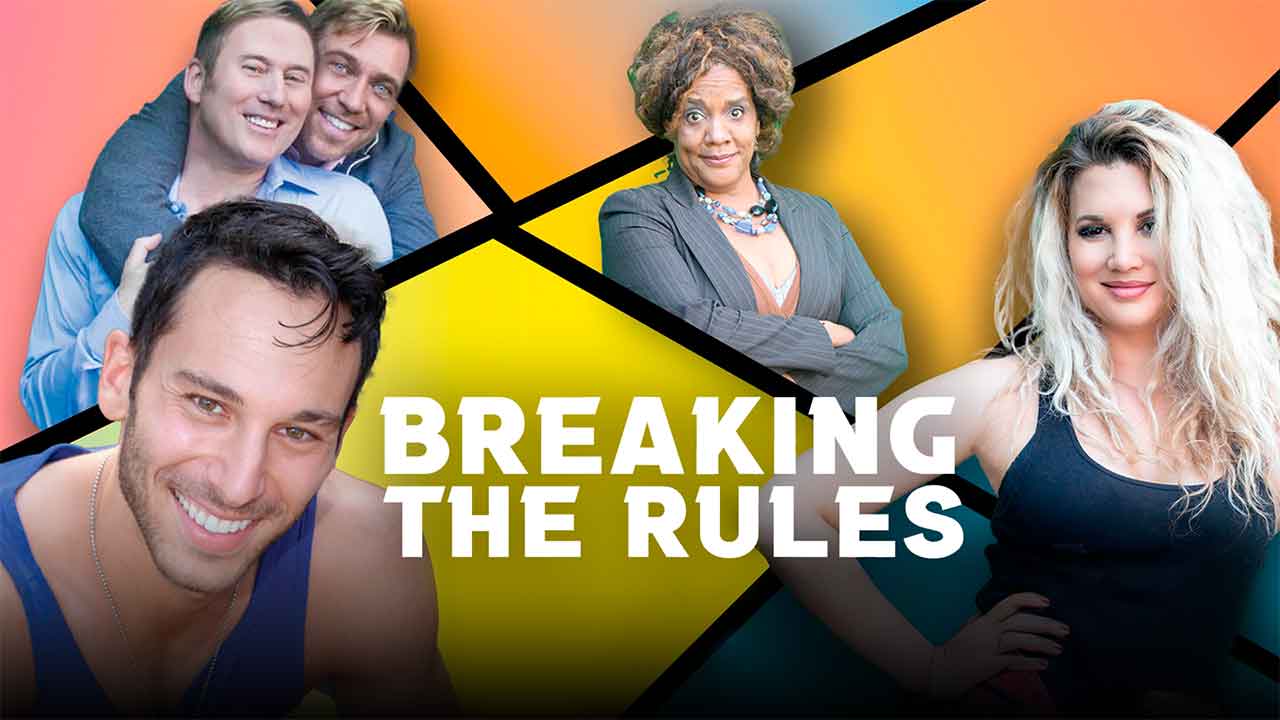

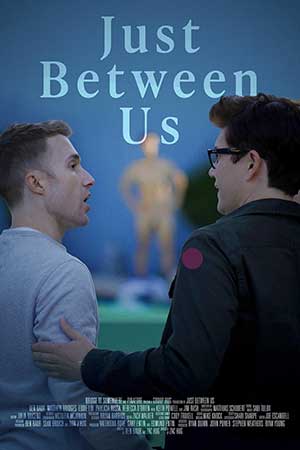



Breaking the Rules (2017) (original title: Open) starts with the kind of anniversary energy every long-term couple recognizes: friends, drinks, speeches, a slightly forced “we’re totally fine” smile, and then… one tiny mistake that detonates the whole evening.
David and Kyle are celebrating ten years together, and Kyle gives David a beautiful engraved watch. It is romantic, expensive, and instantly becomes a fight about money, control, and the unsexy reality of adulthood. The engraving is basically a love poem, and David still manages to turn it into an argument. That’s the tone of the movie right there: sweet on the surface, neurotic underneath, and funny because it’s painfully human.
Then comes the catalyst: their friends Marc and Richard, who are in an open relationship and act like it’s the most mature, enlightened thing on earth. They “do open” the way some people do yoga: loudly, proudly, and with a hint of smugness. Kyle, already feeling restless, gets inspired. The pitch is simple: honesty, rules, no secrets. In theory, that sounds responsible. In practice, it’s like bringing a spreadsheet to a hurricane.
The movie’s best move is that it doesn’t treat open relationships as scandalous. It treats them as complicated. It also treats them as a comedy magnet. Because the moment David and Kyle decide to try it, the universe immediately starts handing them situations that feel designed by a messy gay god with a wicked sense of timing.
David gets attention fast. At a club, he meets Trey, a former student who reappears with glow-up confidence and just enough awkward honesty to be charming. Trey is younger, eager, and very direct about what he wants. Kyle, meanwhile, tries to play the same game but keeps pulling the short straw. His adventure includes a date that spirals into one of the film’s funniest “what is happening right now?” moments, where a grown man is basically arguing with his own sex doll like it’s a jealous boyfriend. Kyle’s face during that whole situation is the face of a person reconsidering every decision he has ever made.
At this point, the couple does what many couples do after a chaotic experiment: they panic, laugh it off, and decide to stop. There’s a sweet little reset where they remember they already have “the perfect guy” at home, and they even joke that next time they want to spice things up, they should try doing it with the lights on. It’s cute. It feels like a lesson learned.
But this is where Breaking the Rules gets sharper than a typical fluffy rom-com. Because David doesn’t really stop. He tries to be the good husband again, but temptation and ego don’t disappear just because you had a nice conversation in the kitchen. Trey wants more than a casual “open relationship” hookup, and David, who loves being wanted, keeps letting the line blur.
The turning point is brutally simple and brilliantly awkward: David and Trey end up having sex in David’s office, and Kyle shows up at the worst possible moment. The scene isn’t just “caught cheating.” It’s the specific kind of humiliation that sticks in your teeth, because Kyle is trying to be romantic, and David is literally locked behind a door inventing excuses. When Kyle realizes what’s going on, he doesn’t scream. He cuts. He calls David a cliché and walks out. That hurts more than any dramatic slap could.
From there, the movie becomes a breakup comedy with real emotional weight. David spirals into self-pity and desperate solutions. Kyle crashes with Gabby, David’s sister, who is chaotic, bisexual, hilarious, and absolutely not interested in handling anyone’s feelings gently. She pushes David toward speed dating like it’s rehab. Meanwhile, Kyle meets Martin, a sweet, slightly lonely guy who becomes the film’s quiet heart: someone who understands what it means to lose love, and who tells David (without preaching) that you don’t throw away something good just because you got bored for a minute.
What I like about Breaking the Rules is that it doesn’t pretend relationships are either “traditional” or “modern.” It suggests the real problem is simpler: people lie to themselves. They think rules can protect them from emotions. They think a permission slip covers everything. And then jealousy shows up, does not care about the spreadsheet, and starts rewriting the script in red ink.
Is it a big cinematic masterpiece? No. It’s an indie rom-com. The budget is modest, the settings are familiar, and the vibe is theatrical in places. But it’s also quick, honest, and genuinely funny in that very gay way where the dialogue is both petty and affectionate at the same time. If you want a queer relationship comedy that actually admits how messy desire can get, this one is a solid watch.