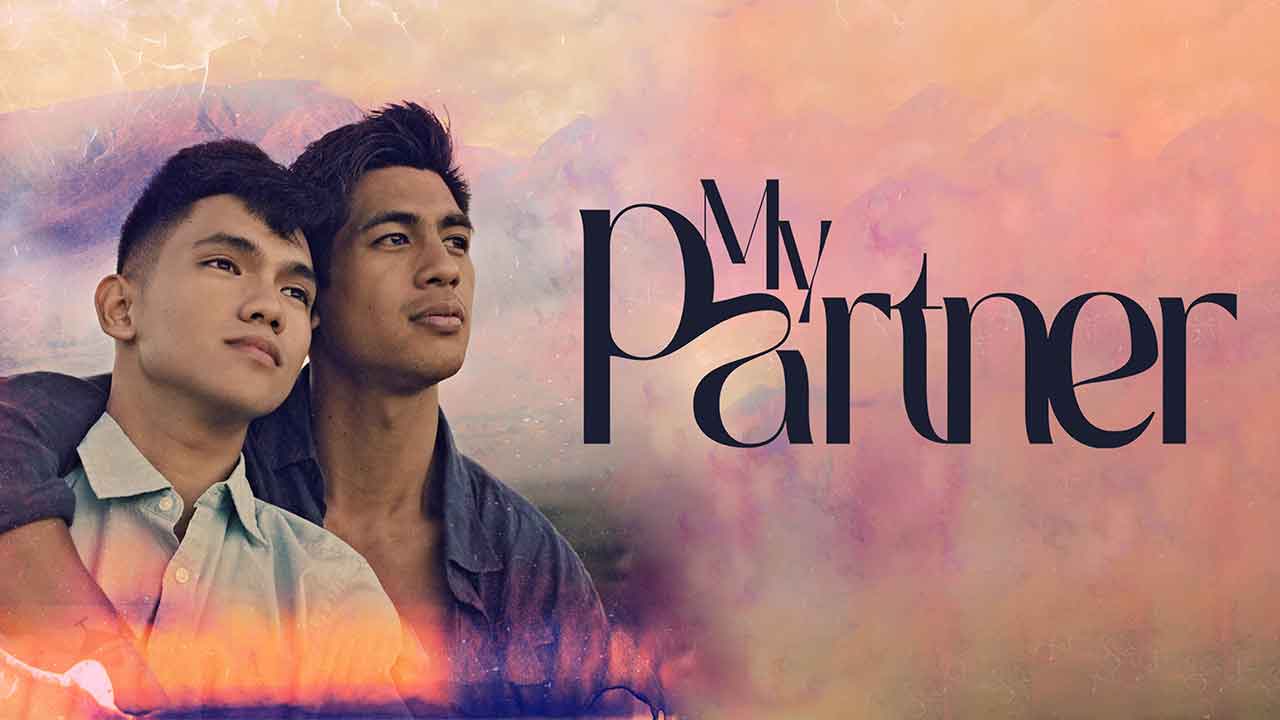



A school project turns into a cultural exchange, then into something neither boy planned. Rival crews, bruised pride, and kalo on the table - and suddenly Pili and Edmar are the only two people in the room who actually see each other.


My Partner (2023) is one of those coming-of-age romances that sneaks up on you by pretending to be about something else. At first, it’s a teen rivalry story set in Lahaina, West Maui – two senior crews, two cultures, one very spicy disagreement over who gets to take what from a stream.
Then a teacher does the classic “You two – together” move and suddenly the real movie begins: Pili, a Native Hawaiian student-athlete with a proud spine, gets paired with Edmar, the high-achieving Filipino kid who has plans, schedules, and probably a color-coded future. Ms. Thomas doesn’t just pair them, she basically assigns them a personality upgrade: Pili needs to stop holding back, Edmar needs to stop hiding behind being “the good student.”
Light spoilers ahead – not the “here’s the ending” kind, more the “here’s why the emotional gears turn” kind.
The setup: rivalry with an actual heartbeat
The early conflict isn’t random teen posturing. It’s tied to place, land, and responsibility. There’s a confrontation at the stream over ʻoʻopu (native fish), overfishing, and the idea that restoration work means something – not just a vibe, but a duty.
That matters, because it frames the romance as more than “two cute boys in a hallway.” This is a story where attraction has to push through community pressure, pride, and the very real issue of who belongs where, and who gets to decide what’s “right.” The film leans into cultural identity, immigration, and land stewardship without turning into a lecture.
Forced partnership, real chemistry
When Pili and Edmar are forced to collaborate, the tension is immediate. Pili doesn’t want this pairing. Edmar is competent, focused, and (annoyingly) hard to dismiss. The best part is how the movie lets their dynamic evolve through small, practical moments: study help, shared tasks, side comments, the kind of awkward humor that sounds like real teenagers instead of polished “teen dialogue.”
And yes, the friend groups are exactly what you think: the guys who talk too loud, the guys who always have commentary, the guys who treat masculinity like it’s a sport with penalties. Everybody has an opinion, usually delivered at maximum volume.
Kalo, poi, and the romantic power of learning
The project becomes the story’s emotional engine: they choose kalo (taro), a canoe plant central to Hawaiian culture, and they connect it to Filipino food too. Suddenly the assignment stops being “school stuff” and becomes identity stuff.
Here’s where the film quietly flexes. It doesn’t treat culture like cute set dressing. It treats it like something lived – something that can be shared, respected, misunderstood, defended, and (if you’re lucky) learned with love. Pili explains why kalo matters, how genealogy and land are braided into Hawaiian worldview, and Edmar meets that with his own story instead of just being “the outsider who learns.”
And the movie does something smart: it uses food and tradition as a bridge, not as a tourism montage. When they present, it lands like a payoff – not just “we finished the assignment,” but “we actually built something together.”
Why this love story feels different
Officially, this sits in the Boy Love lane, but the Hawaiian lens gives it a different texture. It’s not trying to be glossy fantasy romance. It’s trying to be local, specific, and grounded in community.
That local grounding hits even harder because the film feels like a time capsule of Lahaina and everyday West Maui life. It has that “this place matters” energy that stays with you after the credits.
What works best
- The slow-burn pacing – feelings grow through shared time, not magic edits.
- The cultural specificity – kalo isn’t a prop, it’s a worldview.
- The environmental thread – the stream conflict gives the story stakes beyond teenage drama.
- The classroom payoff – the final presentation feels earned, not forced.
What doesn’t always land (but I’m not mad about it)
If you’re allergic to teen-group energy, some scenes will feel loud and a bit blunt. Sometimes the film moves from conflict to reconciliation a little faster than real life would allow. And yes, you might occasionally sense the indie edges in blocking or transitions.
But honestly? That roughness also reads as sincerity. This doesn’t feel like a corporate product built by committee. It feels like a story made by people who know this place and want to put it on screen with care.
So, should you watch it?
If you like tender queer coming-of-age stories, My Partner (2023) is an easy yes. It’s sweet without being toothless, educational without being preachy, and romantic without acting like romance exists in a vacuum. It’s about two boys, sure – but it’s also about land, culture, responsibility, and the quiet courage it takes to choose softness when everyone around you expects armor.
And the best part: it ends in a place that feels earned – not “perfect,” but real enough that you believe these two could keep choosing each other tomorrow, too.