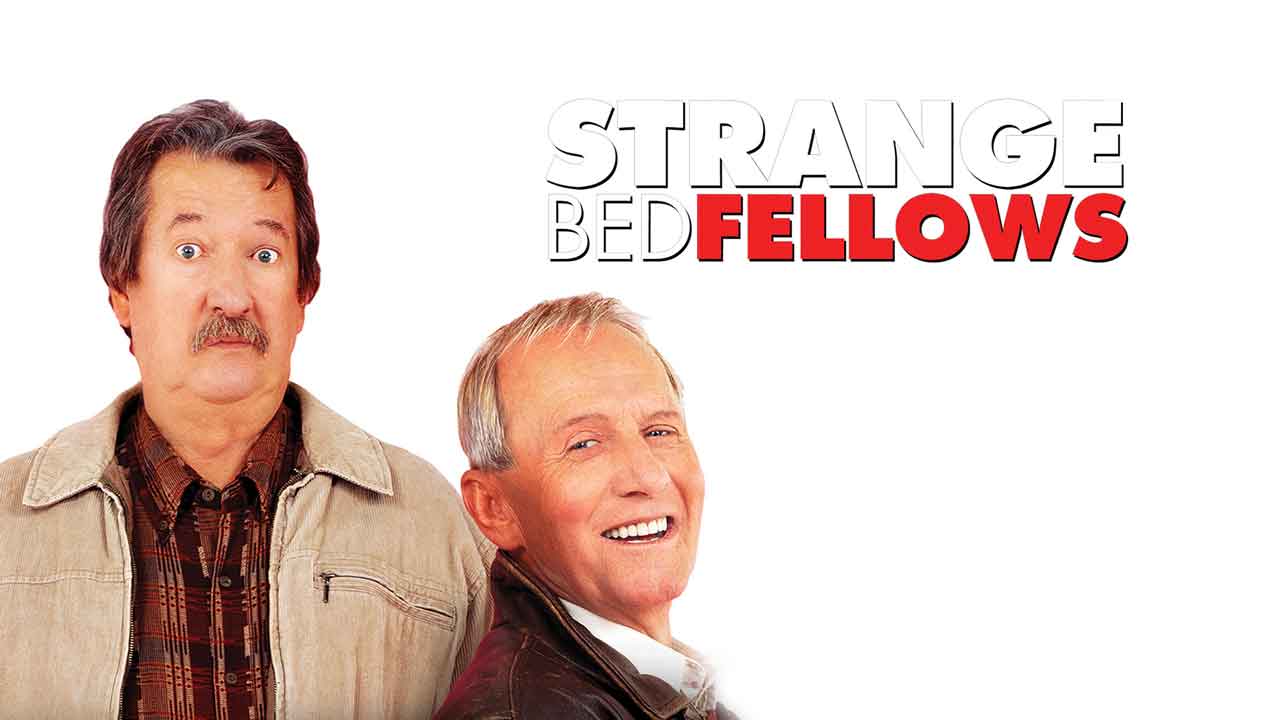
Strange Bedfellows (2004) is one of those early-2000s comedies that comes with its own warning label: “May contain loud misunderstandings, small-town panic, and jokes that were already old when flip phones were still cool.” The setup is pure farce. Vince is in financial trouble, Ralph is the loyal mate who can’t say no, and a tax loophole becomes the dumbest Cupid in Australian cinema. They register as a couple to save Vince’s skin, and then the real nightmare begins – not the paperwork, but the part where people start watching them like they’re auditioning for a soap opera.
Here’s the thing. The premise could’ve been a cheeky satire about how society polices masculinity, how towns love gossip more than oxygen, and how money makes everyone suddenly become moral. But the film often chooses the easier road: “acting gay” as a costume, a set of exaggerated gestures, a performance you can learn in an afternoon if your friend is willing to coach you like you’re training for the Olympics of camp. It’s that exact kind of humor that ages badly, because the punchline isn’t the scam – it’s the idea of being gay itself.
And I’m not pretending this is some hidden hate piece. It’s more like a well-meaning uncle telling the same joke for the 27th time and wondering why nobody’s laughing anymore. The movie even tries to slide in a “tolerance” message now and then, but it’s an uneven trade. For every moment that hints at empathy, there’s another moment that leans back into stereotypes because the script doesn’t trust the audience to laugh at anything else.
What saves it from being completely unbearable is the buddy dynamic. Paul Hogan’s Vince has that smooth-talking, “I can fix this” energy, while Michael Caton’s Ralph feels like the guy who came to the pub for one beer and somehow ended up in a fake relationship with the tax office. When the film focuses on their friendship, their panic, and the absurdity of keeping up a lie in a community that lives for scandal, it can be genuinely amusing.
But if you’re like me and you don’t tolerate films that treat gayness as a gag prop, Strange Bedfellows is going to test your patience. It’s not “edgy.” It’s not “bold.” It’s just dated. The kind of comedy where the writers think the funniest thing in the room is two straight guys having to pretend. That might’ve flown in 2004. Today it mostly feels like a fossil with a smile.
So yeah. Watch it if you want lightweight, nostalgic farce and you’re able to shrug off the stereotypes. Skip it if you want queer representation that doesn’t come wrapped in a straight audience’s comfort blanket. The premise deserved sharper satire. The film settles for old jokes and calls it a day.