


In Seventh Heaven (7ème ciel) – Living a Lie in Plain Sight


A 39-minute pressure cooker
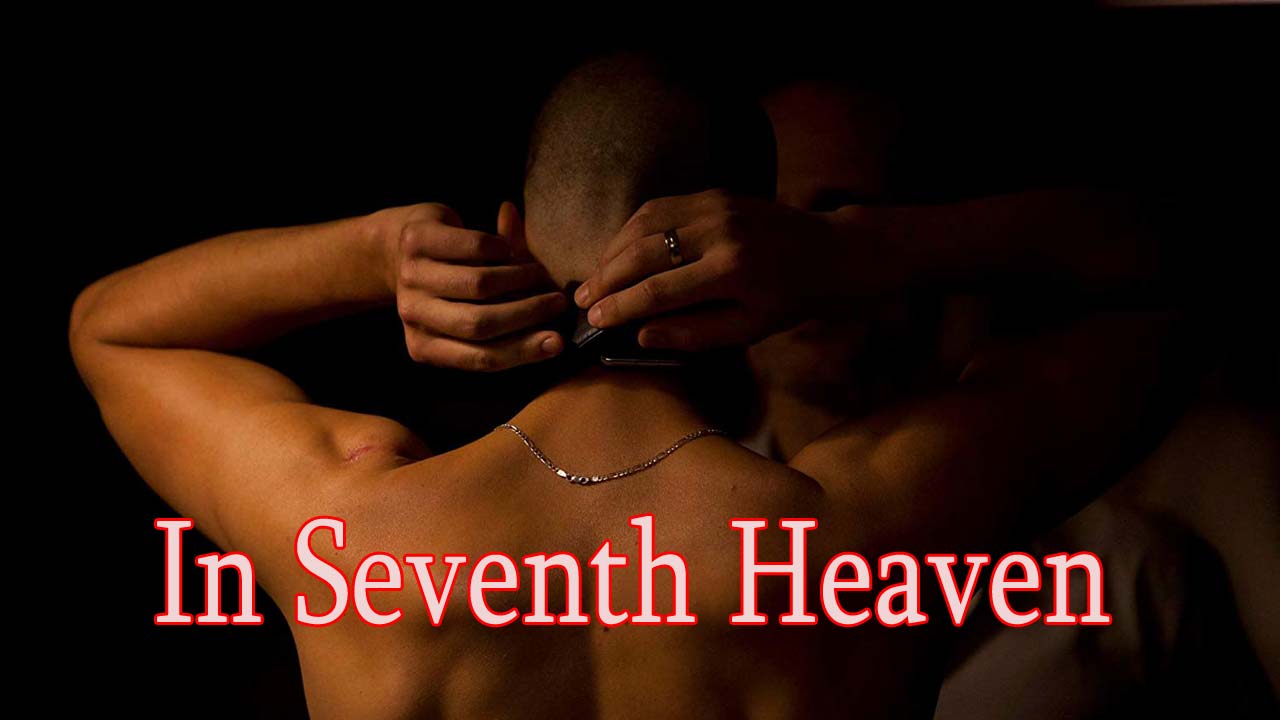
In Seventh Heaven (original title: 7ème ciel) is one of those short films that doesn’t feel “short” in the lightweight way. It feels short in the brutal way – like someone slammed a door and you’re still hearing the echo. We drop into the everyday routine of Sofiane, a young guy in a French suburb who is trying to survive his neighborhood, his friends, his family, and the loudest enemy of all – his own fear of what he is.
The setup is painfully simple: Sofiane is gay, and he’s also deeply homophobic. Not the internet-comment-section kind of homophobic, but the kind that grows like mold in places where masculinity is a uniform you wear to stay safe. During the day he performs the local role he’s been assigned: tough, sharp, ready to clap back, ready to dominate the room. At night, the cracks show. And the film keeps pressing on those cracks until something has to give.
Sofiane: the mask and the panic underneath
Redouane Behache plays Sofiane like a guy who is constantly doing math in his head: how to stand, how to speak, where to look, how much softness is “too much,” what joke to laugh at so nobody suspects anything. It’s exhausting just watching him, which is exactly the point. Sofiane isn’t living, he’s managing. And he’s managing in a place where the smallest “wrong” gesture can turn into gossip, then insult, then violence.
What makes Sofiane interesting (and honestly, hard to watch at times) is that his cruelty is also self-defense. When he spits out slurs, when he tries to act “more man” than everyone else, it reads less like confidence and more like terror. He’s trying to keep himself safe by joining the very chorus that would destroy him if they knew the truth.
The suburb as a character
This film understands the banlieue not as a postcard setting, but as a social machine. Everything is public. Everything is judged. You don’t just have an identity, you have a reputation. And reputation is currency. One wrong rumor and you’re broke.
You can feel it in the small moments: the way people watch each other, the way conversations carry hidden threats, the way “friends” can switch from laughing with you to laughing at you in two seconds. The film doesn’t romanticize poverty or street life. It shows how boredom, lack of opportunity, and constant pressure can turn a young person into a bundle of contradictions – angry, defensive, lonely, needy, proud, ashamed, all at the same time.
Jean-Jacques and the double life
Ralph Amoussou’s Jean-Jacques is where the story gets even more tense. He isn’t a magical “savior” character. He’s not there to give Sofiane a TED Talk about acceptance. He’s part of Sofiane’s secret night world, the world that Sofiane both wants and fears. Their dynamic has that raw, messy energy of relationships built in hiding: desire mixed with suspicion, tenderness mixed with bargaining, affection mixed with panic.
And the film is smart enough to show that secrecy doesn’t just protect you – it also poisons you. When you have to live in fragments, you start treating people like fragments too. Sofiane wants intimacy, but he also wants control. He wants a connection, but he also wants an escape hatch. He wants “seventh heaven,” sure – but he wants it with the lights off, the doors locked, and nobody asking questions.
The women around him see the truth first
Djena Tsimba’s Julie brings a different kind of energy: the friend who senses something is off, even if she can’t name it or if Sofiane won’t let her. And then there are Amina (Baya Belal) and Zineb (Nabiha Akkari), family figures who pull Sofiane back into duty, routine, expectation. The film doesn’t turn them into villains. It shows how family pressure can be loving and suffocating at the same time – “do this,” “be that,” “don’t shame us,” “don’t cause trouble,” even when nobody says the words out loud.
There’s a quiet sadness in the way Sofiane moves between these worlds. With women, he can sometimes drop the performance a little. With the guys in the neighborhood, he tightens up again, like he’s putting armor back on.
What the film does best
The strongest thing about In Seventh Heaven is that it doesn’t sell you an easy lesson. It doesn’t say, “Just be yourself,” because in Sofiane’s world, “yourself” can get you hurt. Instead, it shows the cost of denial in real time – how it leaks into everything: your friendships, your temper, your body language, your ability to trust, your ability to breathe.
And even with its rough edges, the film has a clear emotional target: the tragedy of a young man who could be kind, could be free, could be loved – but is trapped inside a version of masculinity that demands he hate himself first, just to be allowed to exist.
Why it stays with you
You finish this film with that heavy feeling that the real violence isn’t only the punches or threats you might see. It’s the everyday grinding down of a person until he starts doing the job himself. Sofiane’s story is not “inspirational.” It’s honest. And that honesty lands like a slap, because you recognize the mechanism even if you’ve never lived in that exact neighborhood.
So yeah, “seventh heaven” here isn’t a dreamy destination. It’s a cruel joke – the name of something Sofiane wants, while the world around him keeps teaching him he’s not allowed to want it.