

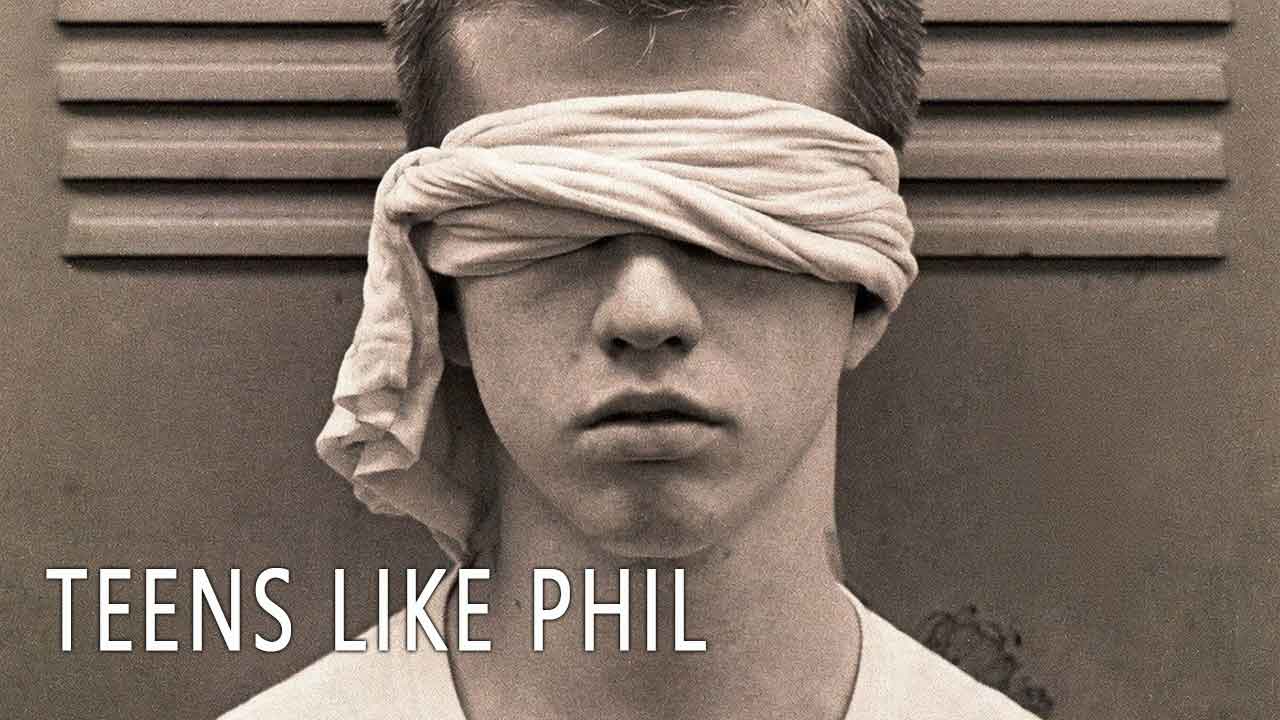




Teens Like Phil (2012) doesn’t waste time pretending high school is “character building.” This is one of those shorts that grabs you by the collar and says: look, this is what fear looks like when it lives inside a teenage body.
Phil is the quiet kid in an affluent suburb, stuck in that classic trap where everyone around him has money, confidence, and perfect teeth… and he has anxiety. He’s shy, insecure, and still trying to figure out what he even is, let alone how to say it out loud. And then there’s Adam.
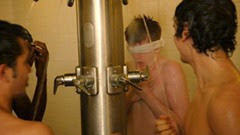
Adam isn’t just a bully. He’s worse: he’s the guy who used to be close to Phil. The former friend who now makes it his daily hobby to break him down in public. Adam’s cruelty has a pattern: a lot of it happens at school, in those private-school hallways where authority figures are always “busy,” and a lot of it happens in the locker room, where humiliation turns into a sport and everyone else suddenly becomes very interested in their own shoelaces.
At first, you think it’s simply the usual story: shy gay kid gets targeted by a violent jock. But the film slowly pulls back the curtain and shows the rotten engine underneath it. Phil and Adam have history. Not rumor history. Real, complicated, messy history. The kind that makes the bullying feel less like random violence and more like a panic response wearing a tough-guy costume.
As the pressure builds, it doesn’t stay contained within school walls. Home isn’t exactly a warm sanctuary either – not because anyone is twirling a villain mustache, but because adults can be spectacularly blind when a teen is quietly screaming for help. Phil is drowning in that familiar teen silence: the kind where you’re suffering right in front of people, but nobody calls it what it is.
And then the film does what good, honest queer cinema sometimes has to do: it doesn’t soften the ending to make it easier to swallow. The final assault is brutal, not because it’s trying to shock you for fun, but because it’s showing the logical conclusion of unchecked cruelty. This is what happens when humiliation is tolerated, when violence is dismissed as “boys being boys,” and when someone’s fear of being seen turns into hatred.
Teens Like Phil is hard to watch, but that’s the point. It’s not a comfort short. It’s a warning, a snapshot, and a gut punch all at once. And it leaves you with one ugly truth: sometimes the most dangerous person isn’t the stranger in the dark. It’s the friend who’s terrified of what you remind him of.








1 comment