



Every now and then, a film comes along that doesn’t tiptoe around the truth. It says it plainly, and in doing so, gives people the kind of encouragement that actually matters: the confidence to be themselves, openly and without apology. Thankfully, this is one of those films.
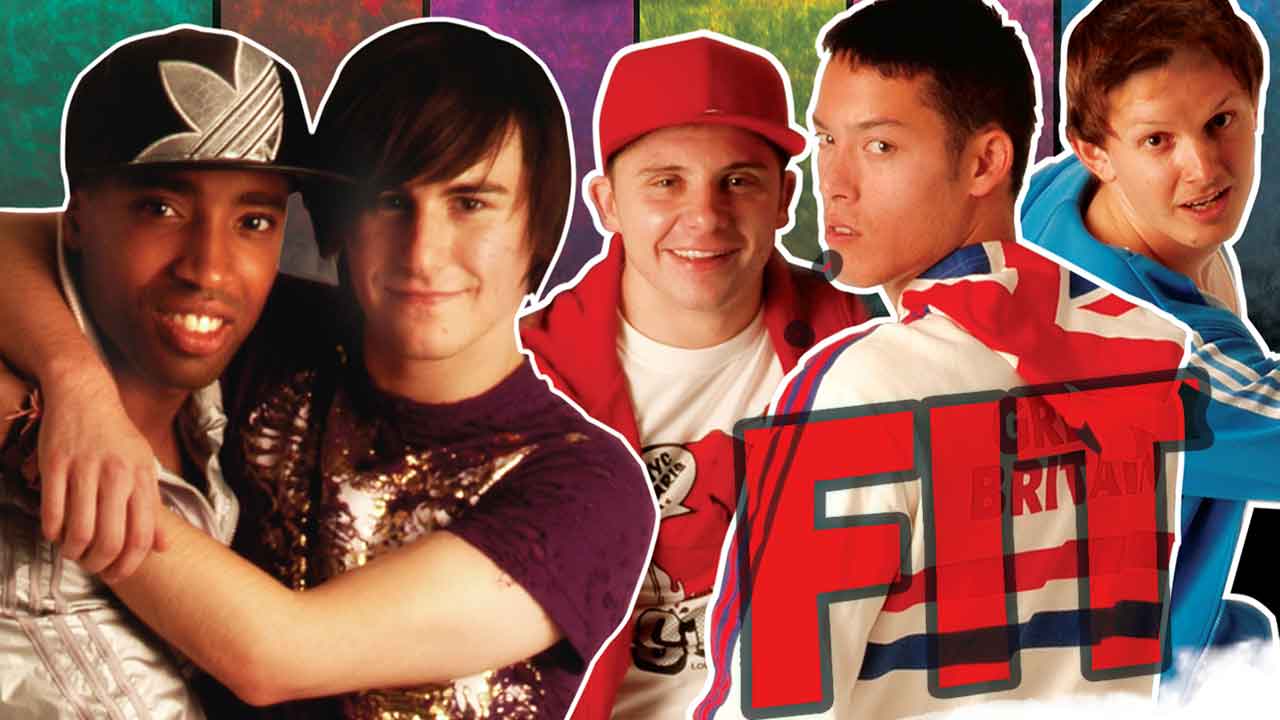
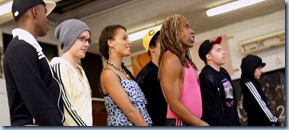
And considering it was made with support from Stonewall, that sense of purpose isn’t surprising. At its core, it follows six teenagers who’ve clashed with the school system, each for their own brand of trouble. Their “second chance” comes in the form of a dance and drama class that’s anything but ordinary, led by Loris – the new teacher on the block. He’s openly gay, completely comfortable in his own skin, and just as importantly, he’s there for his students. And while this group looks like a random collection of misfits, they share more with each other than they’re willing to admit.
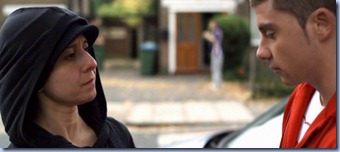
Sexuality is the thread running through their stories, but the film keeps flipping expectations. Take Lee: she looks like the stereotypical tough dyke – except she’s straight. Her best friend Karmel, meanwhile, is the one who loves make-up, clothes, and anything pretty… including girls. (Because yes, queer girls can be feminine. Shocking, I know.)
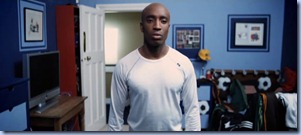
Then there’s Isaac, who with his mate Ryan wears homophobia like a badge. They’ve made school geek Tegs miserable for ages. But the film keeps poking the obvious question: who’s actually gay here, who’s straight, and who’s simply terrified of what other people will think? Tegs’ best friend Jordan has his suspicions, but he also has one eye on the future – he’s a talented footballer chasing the dream of “the beautiful game,” in a world that still struggles with anything outside the expected script.
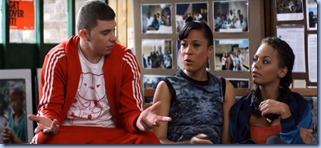
What the film does really well is use the performing-arts setting as a pressure cooker. Accusations fly. Snide comments land. Somebody snaps back. And suddenly you’re not watching a “message movie,” you’re watching teenagers doing what teenagers do: testing boundaries, masking fear with bravado, and trying to figure out who they are.
Along the way it tackles the questions that always sit under the surface: “Am I gay?” “What if my friend is gay?” “What does my religion say about this?” “Can you be into sports and still be queer?” It also digs into parental reactions, because for a lot of kids, the real battle isn’t school – it’s home.
The young cast is excellent, and there’s a reason for that: several of them had already performed the material in front of huge audiences during the original workshop’s UK tour – not just in theatres, but in youth clubs and, crucially, in schools. That experience shows. Even the toughest roles feel grounded, including the homophobic bully character, who doesn’t get a free pass but is forced to face what he’s doing and why.
The story unfolds in seven episodic chapters, each one peeling back a character’s life and, more importantly, the way they understand their own sexuality. It’s structured, but it never feels clinical. It feels lived-in.

Reworked for the screen (and featuring some familiar faces from Beadle-Blair’s earlier work), the film also uses direct-to-camera monologues that hit like a punch to the chest. Framed through a support-group vibe, these moments cut straight to what it feels like to be a gay or lesbian teen when the world around you keeps trying to “correct” you.
The end result is a lively mix of raw honesty and street-dance energy – entertaining, yes, but also genuinely useful. And honestly, a film like this, aimed at tackling homophobic bullying in British schools, should be mandatory viewing. That part pretty much writes itself.